Does Older Bourbon Taste Better? Knob Creek Makes It Complicated
*Bourbon Culture is reader-supported. When you buy through links on our site, we may earn an affiliate commission.
| Don't like ads? | No ads |
A 14-year Knob Creek Single Barrel sitting beside a 9-year bottle has a pretty easy sales pitch. Same brand. Same proof. Five extra years in the barrel. Unless the price gets out of hand, why wouldn’t you take the older one?
Because you might like the 9-year better.
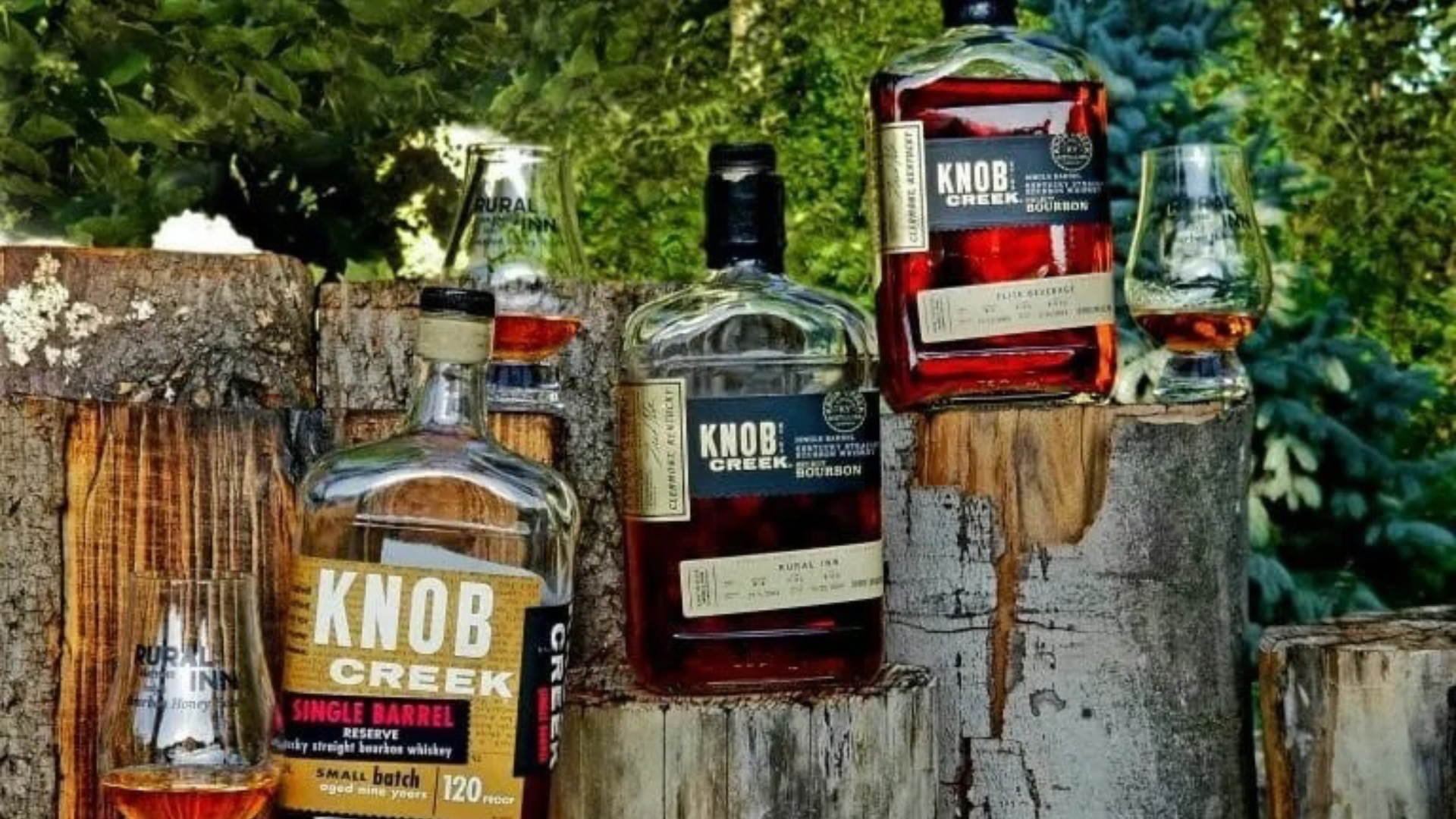
That’s exactly what happened in a semi-blind comparison of three Knob Creek single barrels. The regular 9-year edged out two store picks approaching or exceeding 14 years. The older bottles were good. They just weren’t the favorites.
Before anyone takes that as permission to dismiss older bourbon, Knob Creek 18 has something to say about it, too.
The interesting question is what makes those extra years worth paying for. An age statement can get your attention. The bourbon still has to keep it.
The Younger Bottle Won. Here’s Why.
The three-bottle Knob Creek comparison, published in December 2019, put a regular 9-year Single Barrel against a Rural Inn pick just shy of 14 years and an Elite Beverages pick described as 14.25 years old. All three were 120 proof, sampled semi-blind and neat in a Glencairn.
| Knob Creek Single Barrel | Age | Score |
|---|---|---|
| Regular Single Barrel | 9 years | 7.3/10 |
| Rural Inn store pick | Just under 14 years | 7.2/10 |
| Elite Beverages store pick | 14.25 years | 7.0/10 |
Those scores are close. Calling this a crushing defeat for older bourbon would be ridiculous. But the youngest bottle had the most convincing balance: fruit and citrus gave the oak and spice some contrast. The Rural Inn pick offered maple sweetness, then became increasingly tannic. The Elite pick pushed toward pepper and peppermint.
The extra age hadn’t made the older picks bad. It simply hadn’t made them better than the bottle with a much less exciting number on the label.
That distinction gets lost when choosing bourbon becomes a contest to find the oldest thing on the shelf.
How Much Oak Do You Actually Want?
There’s a difference between enjoying oak and wanting it to occupy the entire sip.
Some drinkers want the wood, tobacco, and drying finish to take center stage. Others want enough sweetness and fruit to keep pulling them back for another taste. Both can appreciate a mature bourbon and disagree completely about which bottle is better.
The 9-year in that comparison wasn’t free of oak or tannins. It had other flavors that made the whole thing more enjoyable. That’s a better explanation for its win than deciding nine years must be Knob Creek’s magic number.
A preference among three barrels can’t establish an ideal age for an entire brand. It can, however, give you a reason to stop dismissing the younger bottle.
An 11-Year Pick Didn’t Need an Excuse
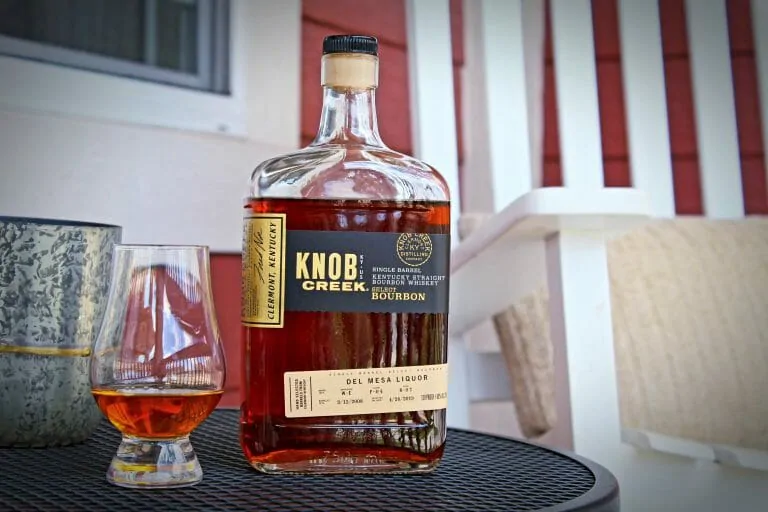
The Del Mesa Liquor 11-year Knob Creek Single Barrel, reviewed in May 2020, makes the point from a different direction.
Toasted nuts, baked apples and pears, caramel, and vanilla gave it a familiar starting point. Candy-bar sweetness and buttercream met cinnamon, coffee, and a controlled peppery bite on the palate. Toffee, tobacco, oak, and cocoa carried the finish.
At 120 proof, it had enough sweetness to meet the spice and enough detail to stay interesting. It earned 7.8/10 in a separate review.
There’s nothing in that description that needs to be defended with “pretty good for eleven years.” The bottle delivered. Wishing for three more years because the label would look better is a strange way to enjoy it.
That score doesn’t make it the winner of a tasting it wasn’t in. It does make it another younger pick worth taking seriously.
Then Knob Creek 18 Complicates Everything

If the lesson stopped there, it would be easy to decide older Knob Creek is an unnecessary expense. The 18 Year reviewed in 2022 makes that a harder position to hold.
It earned 8.5/10 at 100 proof. There was substantial oak, as you’d expect, but blackberry, cherry, fig, and orange gave the bourbon more to work with. Toffee, spice, and nutty sweetness helped keep the wood from swallowing the profile.
That’s the appeal of this particular older bottle. The oak was prominent without becoming the only thing worth discussing.
It wasn’t part of the single-barrel comparison, and a 100-proof release is a different proposition from those 120-proof picks. But its combination of mature wood character and fruit gives an oak-loving drinker a much better reason to be interested than “eighteen is bigger than nine.”
For someone who wants that profile, paying more can make sense. For someone who mainly wants caramel, nuts, and spice, it may be an expensive answer to a question they weren’t asking.
What Would Make the Older Bottle Worth More to You?
That’s the question to ask before spending the extra money.
Start with a description of the actual bottle or barrel. A glowing recommendation for one Knob Creek store pick tells you very little about another store’s pick, even if the ages match. Look for the flavors you enjoy and pay attention to what the reviewer says about dryness, sweetness, heat, and balance.
Then consider proof alongside age. Someone who loves the intensity of a particular 120-proof pick shouldn’t assume an older, lower-proof release will feel like an upgrade in every respect.
Finally, compare the prices in front of you. If the older bottle costs substantially more, you should be able to name something about it you want beyond the extra years. Maybe it’s the mature oak character. Maybe it’s fruit and tobacco together. Maybe a sample has already convinced you.
Those are reasons to spend more. Buying the larger number and hoping the flavor follows is a gamble.
Final Thoughts
Older bourbon can be excellent. So can the younger bottle you walked past to get to it.
Knob Creek gives us both outcomes: a 9-year Single Barrel that beat two older picks, an expressive 11-year selection, and an 18-year release with enough fruit and sweetness to make its oak-heavy profile work.
There’s no need to turn that into a rule about the perfect age. If you enjoy what the older bottle offers, buy it. But if your only reason for choosing it is the age statement, give the younger one another look. You may be paying extra to move further from the flavors you actually like.