
*Bourbon Culture is reader-supported. When you buy through links on our site, we may earn an affiliate commission.
| Don't like ads? | No ads |
I’ve debated doing a whole write-up on Barrell Craft Spirits recent upheaval for a bit now. Honestly, it’s a sad story that saw them grow so fast, that they moved into a new production facility and even bought a barrelhouse a couple years before the bourbon bubble popped. Sales declined so much that Barrell had to move out of the facility, lay off more than two thirds of their workforce and sell large stocks of barrels in order to survive. Then came the announcement that they’d be selling their new facility and moving all operations back into their original Gilkey Road building.
Barrell was humbled; but not every setback was their fault. They simply grew alongside the rest of the market and didn’t forsee the downturn of the industry. Their one saving grace was that they hadn’t spent millions more dollars building a an actual distillery or maturation warehouses. Because of this, they could liquidate their assets and downsize much faster. At least they still had their reputation for expert blending and finishing intact. Those two things were what made them the darling of the Non-Distiller Producers (NDPs) for the last decade.
With Barrell Craft Spirits back at the starting line, they looked to their past successes and tried to re-capture the literal lightning in a bottle that originally brought them into the hearts of bourbon fans everywhere. I’m talking about their unique “Distilled Spirits Specialty Products.” Notice I’m not using the words “bourbon” or “whiskey” because these specialty products (Dovetail, Seagrass and Armida) were officially filed under with the TTB with that designation (of note, I’m not including Vantage because that’s officially a Straight Bourbon). Joe Beatrice firmly believed that when you tinker with the bourbon (or rye whiskey in the case of Seagrass), that you no longer have a product that should be called “straight.” But he knows that audiences loved those products so much that making another one could provide the boost needed to steady the ship in these turbulent times.
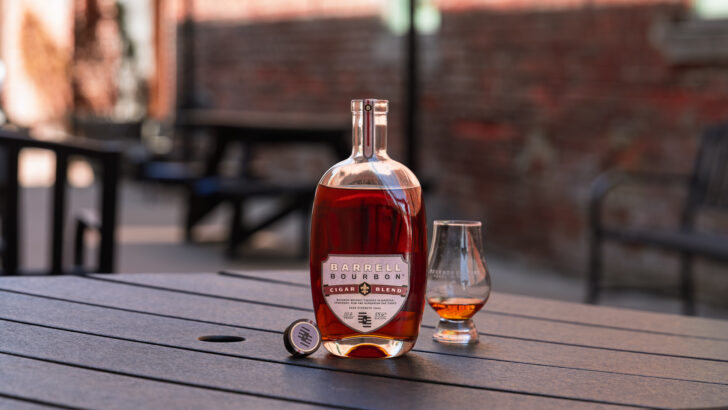
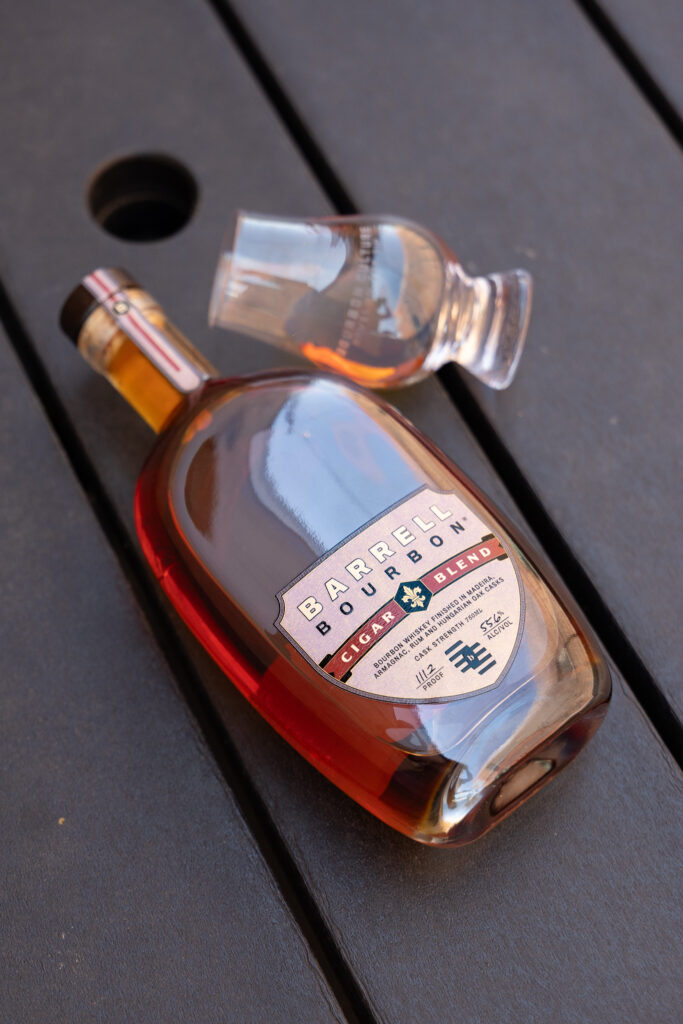
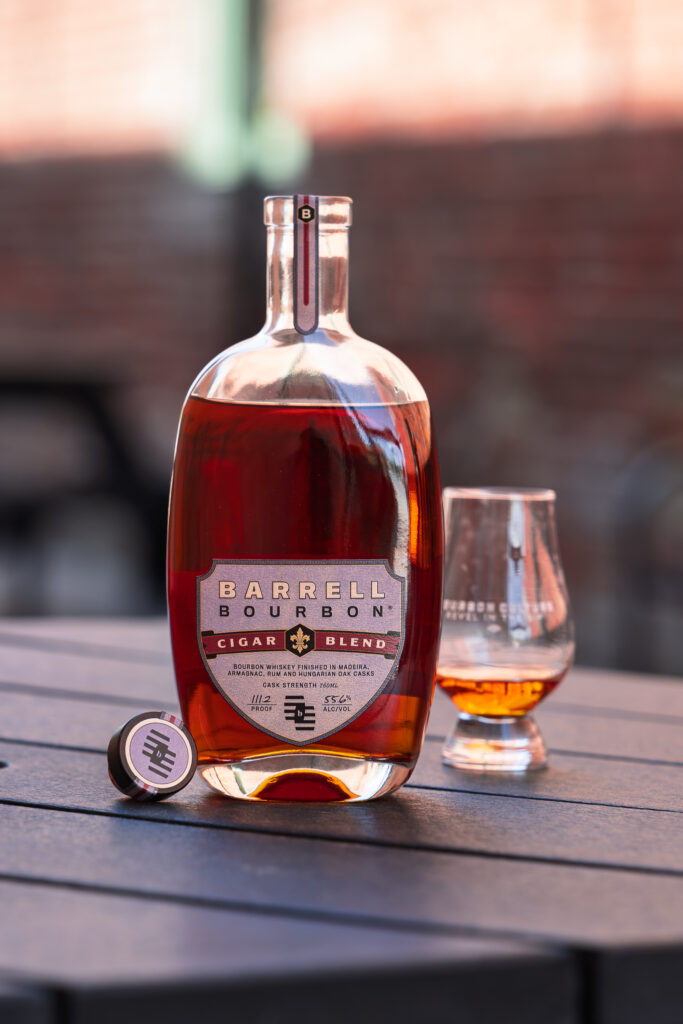
Barrell Bourbon Cigar Blend
The bourbon world had never seen the likes of whiskies with finishes like Dovetail, Seagrass and Armida, but since their releases, there have been many copycats out there trying to jam as many finishes in one bottle as they could. Producers like Good Times, Joseph Magnus and High West come to mind as the most egregious offenders, but the majority of producers who used more than one finishing cask in the same product did so by labeling it a “Cigar Blend.” Joseph Magnus actually invented this category (thanks to Nancy Fraley) and others hopped on it. It’s easy to see why – the name alone channels mental sensory notes often found with whiskey. Hell, even I start to salivate at the name.
I might not know the exact reason why Joe Beatrice and his team chose to create their own Cigar Batch, but it seems like a logical next step for the company. After all, they had all the ingredients and know-how in their facility to create something similar to what others have, so why not go for it?
What is a Cigar Blend?
If you’re new to whiskey, you might be wondering what the heck a Cigar Blend even is. As I mentioned before, Nancy Fraley seemed to single-handedly invent the category for whiskey, but others have since put their own spin on it. She has been on the record throughout numerous interviews where she describes that Cognac makers have been creating Cigar Blends since the 1980s. Cognac – a brandy made from grapes – tends to develop a general flavor profile known as “Rancio” as it ages and oxidizes. This also applies to other grape spirits and fortified wines like Armagnac and Sherry. This profile is potent enough to stand up to other overwhelming flavors like cigar smoke, hence the reason why something like this was invented in the first place. Nancy wanted a bit more punch to her whiskey, so she began experimenting with blending and finishing whiskey by using extra-aged bourbon and finishing it in Armagnac, Sherry and Cognac casks.
Since then, other producers have aged their Cigar Blend/Batch products in casks that once contained those same spirits/wine as well as rum, Port, Cachaça or even barrels that were smoked with actual tobacco smoke. It appears as if the category has moved away from the concepts that Nancy Fraley embraced and now appears to revolve around reminding people of a cigar or riffing on a medley of sweet finishes.
Barrell Bourbon didn’t stray too far away from their take on a Cigar Blend because they elected to go with Madeira (a type of fortefied wine), Rum and Armagnac barrels. The one interesting choice they also included was a component that was finished in Hungarian Oak barrels. Hungarian Oak has been used in the past with other Barrell projects and it seems like they’re trying to bring American consumers around to any unique profile notes that comes from it. In my limited experience with it, it has a bit more of a heavy tannic flavor – not quite to the level that French Oak has but certainly on par with American Chinquapin.
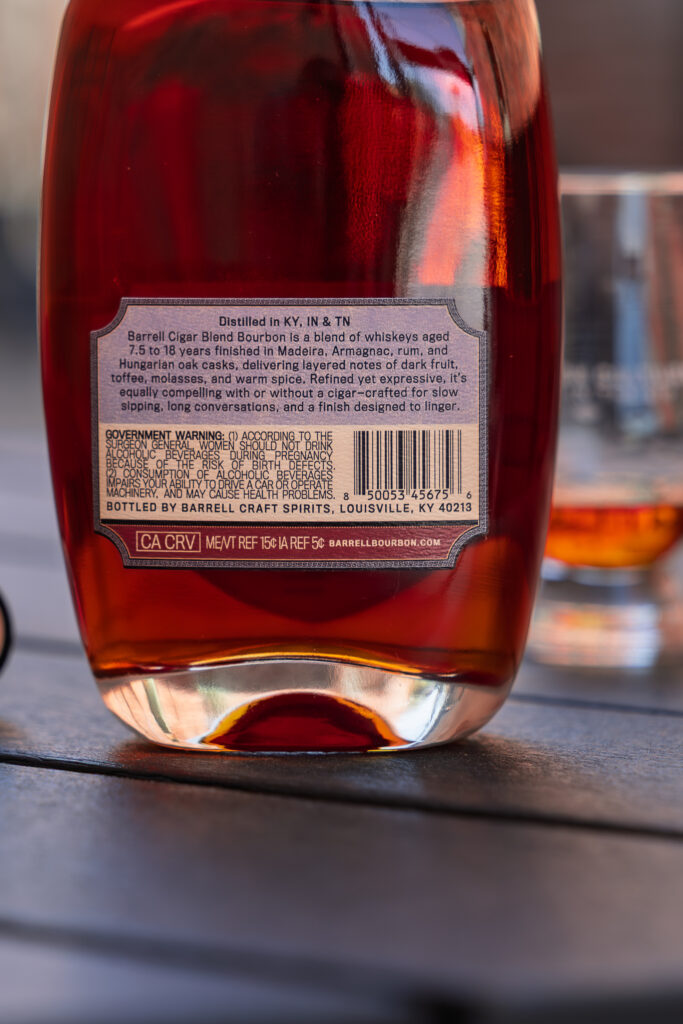
The ratio of these 4 finishing casks is not revealed, nor is the components of the bourbons inside, but we do know that they’ve sourced various bourbons from Indiana, Kentucky and Tennessee. It’s been a while since I’ve done a deep dive of where Barrell is sourcing their barrels from, but after I took a tour of their facility in 2023 and poured over their blending room, I can safely say I have no idea where the hell they’re sourcing anymore. It seems as if they shifted to buying up some of the cheapest barrels they could obtain starting after 2020 and a lot of those came from lesser-known distilleries. Rest assured, I’m sure that Dickel, MGP (specifically the 99/1 bourbon recipe) and maybe some Green River/BBC barrels are in this blend.
So how is it? It’s time to find out. I sampled this neat in a glencairn.
Tasting Notes
Nose: While I’m picking up on almost every finishing cask that this batch has gone through, I’d say a buttery rum note sticks out the most. Is the rum casks that Barrell used here indeed a “buttery” kind? I’m not sure. That’s just what it smells like to me. Grapes are another leader in quest for dominant scents. I feel like I’m really picking up on the fortified wine (Madeira) the longer I let my nose linger near the rim. It’s fresh and fruity with lots of red fruit notes (strawberries and cherries). It contrasts nicely with the heavy Armagnac notes. What notes are those? I’d say “flavored cigar wrapper.” Other standout scents include anise/licorice and fruit notes like plum pudding, apple strudel and banana runts.
Palate: This is so fruity, I love it. There are lots of spiced fruit and candy notes. One thing I will say is that it doesn’t rest “heavy” or “dark” on my tongue like, say, a Joseph Magnus Cigar Blend. Instead, it drinks like a refreshing, bright wine with lots of sweet candy notes. I can also find a dry wine note that contrasts with it. There is a bit of spice that keeps me interested and it comes in the form of chili powder. The tannins are somewhat recognizable, but the only word I’d use to describe it is “woody.” As expected from the nose, the fruit notes are really the star of the show on the tongue with apricots, spiced apples and cherries stealing the show.
Finish: Lingering fruits for the majority of the finish and most of them are the funky variety which seem to hint that it’s the rum that is most responsible for them. I am also starting to pick up on a decent amount of oak which I’m gathering could be from the Hungarian Oak finishing casks. Additionally, there are barrel char flavors, toffee and a lingering touch of bitterness. Wine notes don’t want to be forgotten and are present, but they’re no longer carrying the load they were on the nose and palate.
Score: 8/10
Rather than give you my immediate impressions, let me give you my long-term impressions. This bottle is simply crushable. And I hate using that term because all of the other bourbon bros out there use it way too often. Unfortunately, it’s the first thing that came to mind after a half-dozen sessions with this bottle. There’s something about it that you can drink over and over again under almost any whiskey mood you’re in that day. That says a lot about the blend. It’s not too strong that you’ll want to reserve it for only special occasions and it’s not too over-finished to make you think it’s only for when you want extra sweet whiskey. It’s the Jack-of-all-trades finished whiskey.
As for why the score isn’t higher, well, I happen to think that it doesn’t stick out in any notable way with a unique flavor or scent. I happen to think that the rum finish sticks out the most, but I happen to like that (and am aware many bourbon fans do NOT like rum finishes, so take that for what it’s worth). Nor does Barrell Cigar Blend have a particularly strong set of tannins or spices. It’s just mellow and enjoyable… and maybe that was Barrell’s goal. If so, mission accomplished.
Final Thoughts
For under $100 and delivering this kind of experience, I would recommend this bottle to anyone who enjoys bourbon like this. It easily beats other competitors in terms of value and how well it’s composed. I’d reach for this before an Angel’s Envy Cask Strength, a Joseph Magnus Triple Cask or a Starlight product.
I hope that Barrell makes this a permanent addition to their lineup and even gives it the Gray Label or Gold Label treatment. I think that creating an even more dense and rich version of this bottle would be absolutely killer. So what do you say, Barrell? Ready to go back on a winning streak?
Ben Anderson
Sunday 28th of June 2026
I always enjoy your informative reviews. As someone who enjoys Barrell products, it seems like they have shifted away from the Grey and Gold labels and into more Black label products. Is this something they have confirmed? Would love to hear your thoughts on this as it relates to changes in the premium whiskey market.
Rob Zelinka
Sunday 28th of June 2026
I always enjoy reviews here. I have several Cigar Batch bottles from the usual brands and this one is my personal favorite. I am a huge fan of finished products and Barrell is doing great things with their offerings (Dovetail, Seagrass, etc). Dark Arts and Nulu are doing similar things but I rate Barrell higher. Thank you for the informative review